
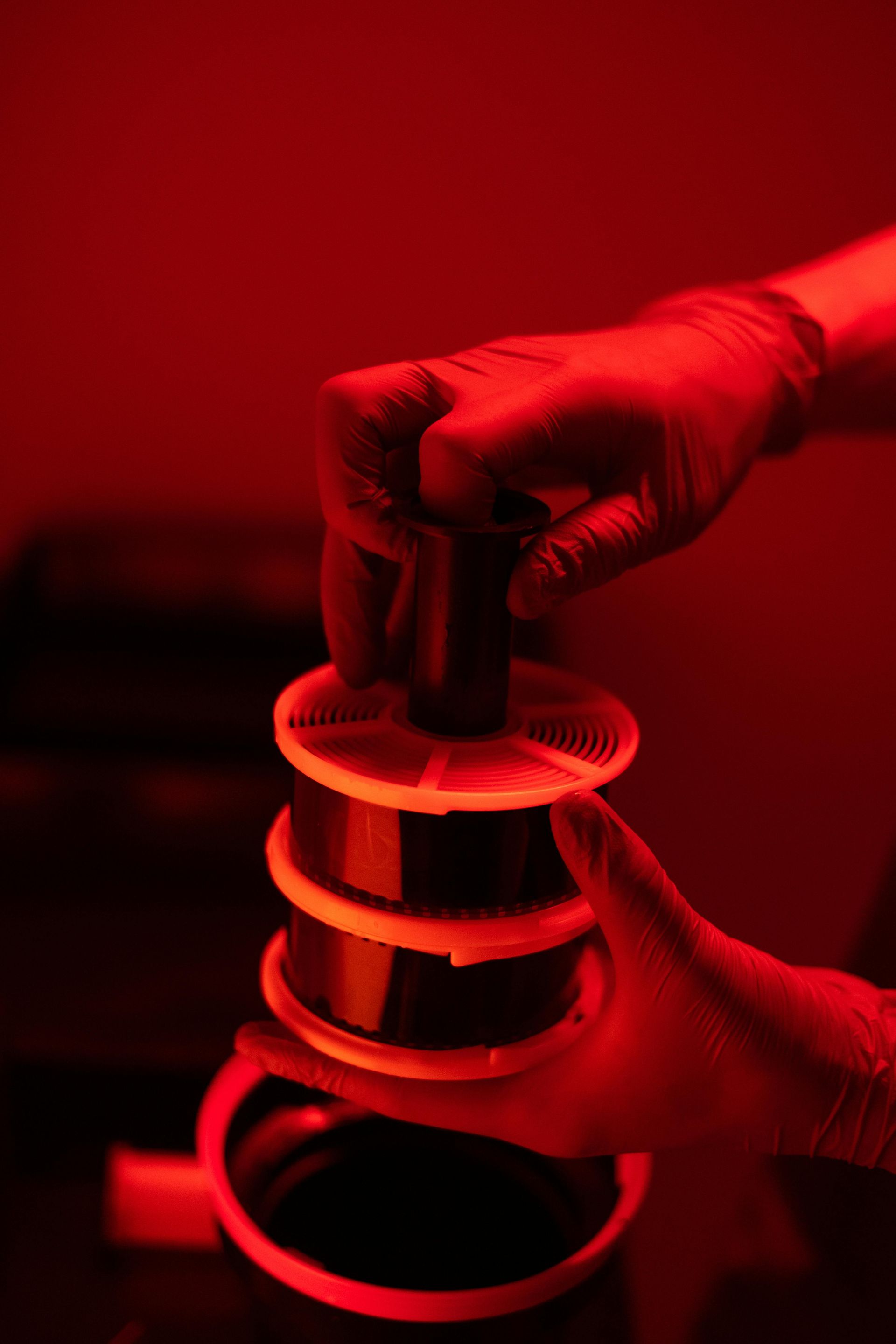
Careful Chemistry Brings Latent Images Forward
Film Developing and Negatives in Huntington for ensuring detail survives the development process
L&L Camera develops film for customers in Huntington, New York who need their exposed rolls processed with attention to chemistry timing and emulsion handling. You drop off film that may have been sitting in a camera bag or stored in a drawer, and the lab brings those latent images forward using controlled developer baths and precise fixing to lock in the results. The service is built around local drop-off, so you do not wait for mail-in labs or deal with shipping risks.
The lab processes common film formats including 35mm and 120, using fresh chemicals and calibrated equipment to maintain consistent density and contrast across every roll. You receive developed negatives that hold the full tonal range captured during exposure, ready to be scanned or printed without surprises in shadow detail or highlight clipping. If you shot older film stock or stored rolls in less-than-ideal conditions, the careful handling during development ensures the best possible outcome from what remains on the emulsion.
If you have recently shot film or want to revive older rolls, you can bring them to the Huntington location and discuss turnaround times based on the number of rolls and your schedule.
How the Lab Handles Negatives From Start to Finish
Your film enters a light-tight developing tank where it passes through a sequence of chemical baths, each timed to the second. The developer reacts with exposed silver halide crystals, forming a visible negative image, followed by a stop bath that halts the reaction and a fixer that removes unexposed silver. The lab rinses the film thoroughly to prevent residual chemistry from degrading the emulsion over time, then dries the negatives in a dust-controlled environment to avoid watermarks or particles embedding in the surface.
After processing, you receive negatives that scan cleanly and print with accurate grain structure, free from the uneven development or color shifts that occur when chemistry is exhausted or temperatures fluctuate. L&L Camera staff can guide you through options for scanning or printing directly from the negatives, depending on whether you need digital files, physical prints, or both. The lab serves both hobbyists who shoot occasionally and professionals who depend on reliable results for client work or portfolio projects.
Fast turnaround options are available depending on order volume, with clear communication when you drop off your film. The service focuses on developing and returning negatives in usable condition, but does not include automatic digital scanning unless requested separately. If your film includes non-standard formats or requires push or pull processing to adjust effective ISO, mention that at drop-off so the lab can adjust development time accordingly.
Questions About Film Developing and Negatives
Customers often ask about format compatibility, turnaround speed, and what to do with older or unknown film stock. The answers below cover the practical aspects of developing and negative handling in Huntington.
What film types can you develop in the lab?
The lab handles 35mm, 120, and other common roll film formats, along with specialty sizes depending on availability of chemistry and equipment for that stock.
How long does standard film developing take?
The lab develops the film using standard processing times and inspects the results for fading, base fog, or emulsion degradation that may have occurred during storage, then advises on whether retouching or restoration can improve the final image.
Why would negatives look different from one roll to the next?
Variations in exposure, film stock age, and storage conditions all affect the density and contrast of developed negatives, even when processed identically in the lab.
When should I request push or pull processing?
You request adjusted development times when you intentionally overexposed or underexposed the entire roll, typically to compensate for shooting in low light or very bright conditions without changing the film's rated ISO mid-roll.
What happens if my negatives show scratches or dust after development?
Minor scratches and dust can be removed during scanning or printing, but deep emulsion damage present before development will remain visible in the final output and may require retouching if the image is critical.
The Huntington photography community has relied on L&L Camera for dependable film developing that respects the work put into each exposure. If you have newly shot or older film waiting to be processed, bring it to the lab and discuss your timeline and negative handling preferences with the staff.